
Article: Shark series part 5: He Helped Save His Mate From a Great White. Then He Built Shark Eyes
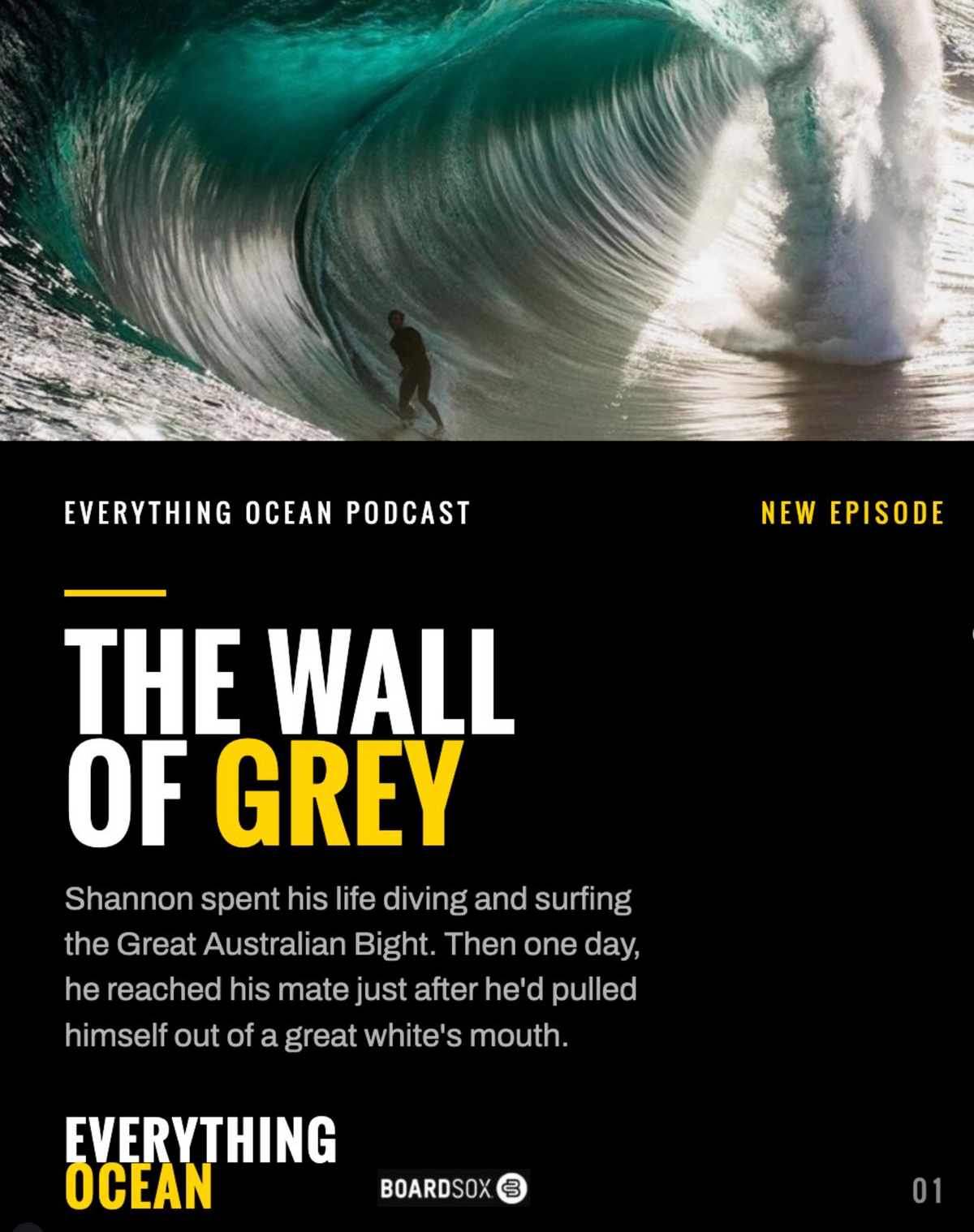
Everything Ocean Podcast
Shark series part 5: He Helped Save His Mate From a Great White. Then He Built Shark Eyes
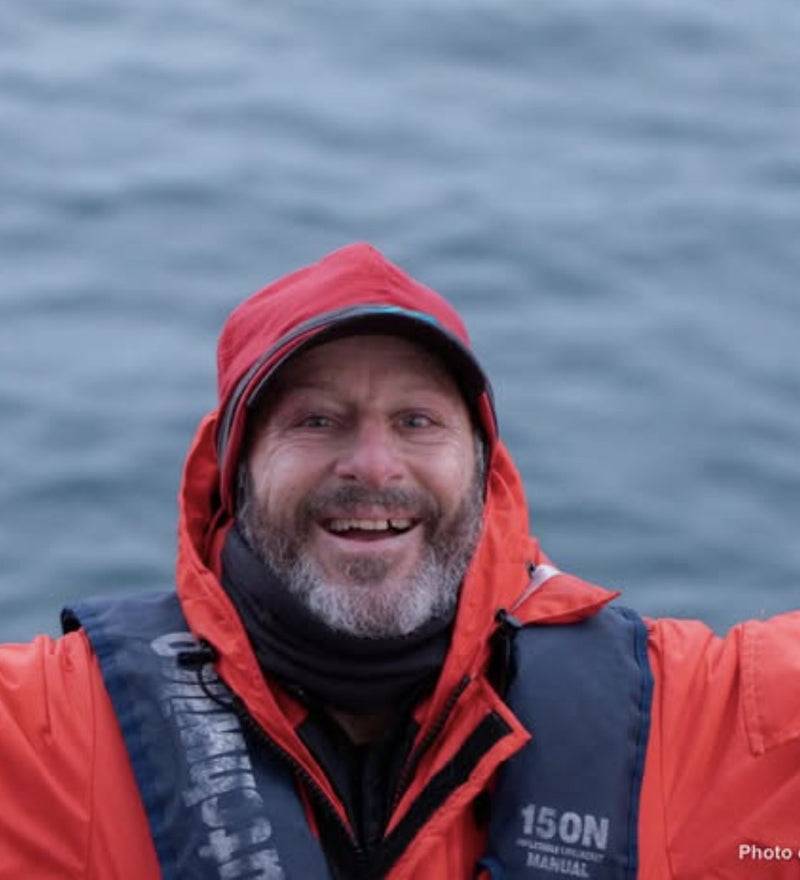
Shark series part 5: big-wave surfer and former abalone diver Shanan Worrall on the 2013 Esperance great white attack, the long road back into the water, and how a set of eyes glued to a wetsuit became Shark Eyes.
Everything Ocean Podcast — Episode 5, featuring Shanan Worrall, big-wave surfer, 2017 WSL Tube Award winner, former commercial abalone diver and founder of Shark Eyes.
Content note: this episode includes a detailed, graphic account of a shark attack injury. The diver involved survived and still dives today.
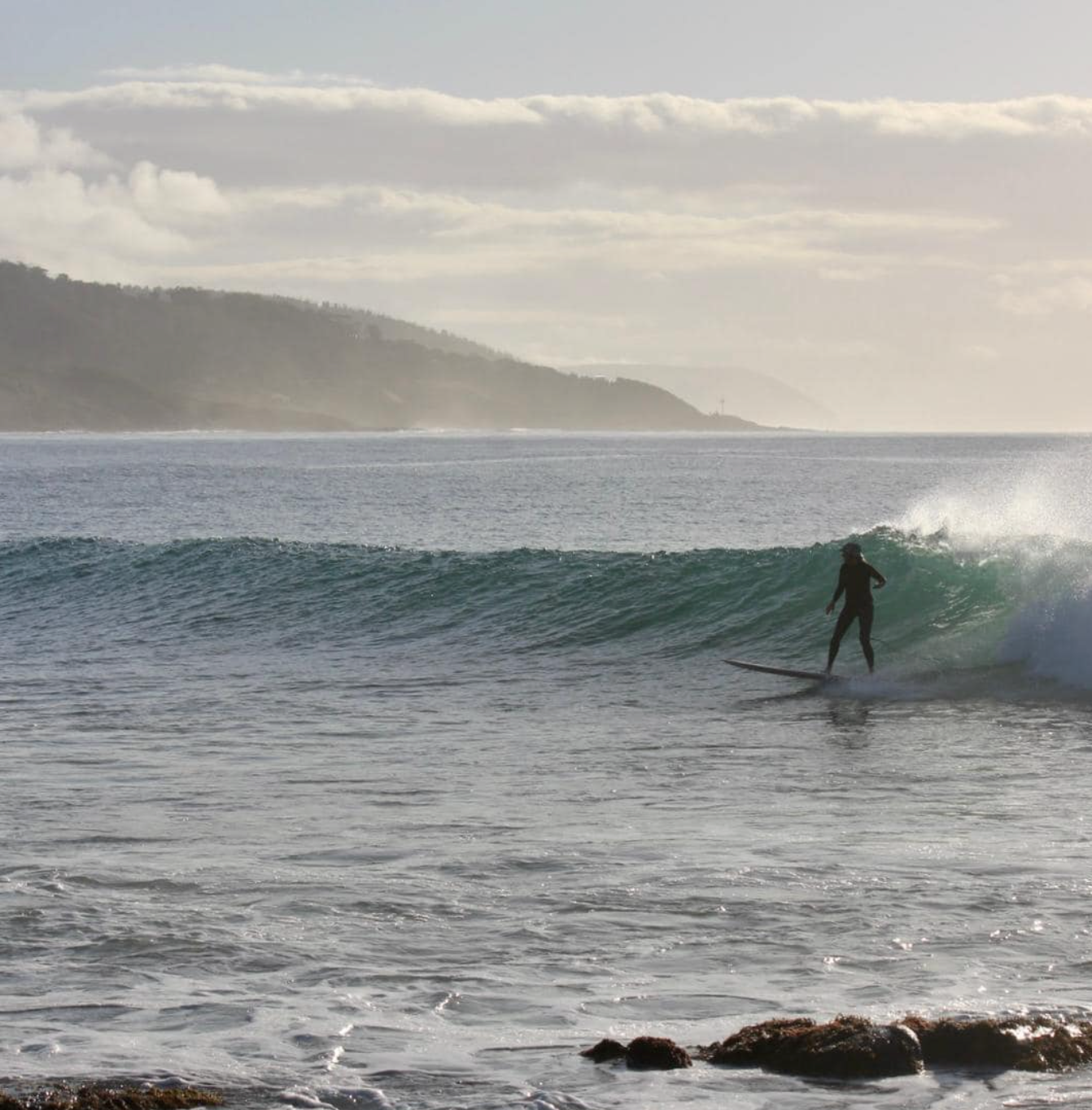
Shanan grew up in Esperance, right on the Great Australian Bight. He left school at 15, bought a 21-foot boat with twin 85s at 16 (no licence), and spent his teens and twenties fishing, spearing, surfing and diving the 280-odd islands of the Esperance archipelago. Then he spent years as a commercial abalone diver, free-swimming on a hookah line in waters known for great whites.
It's the heaviest conversation we've had on the podcast. It's also one of the most useful.
Listen or watch: YouTube · Spotify · search "Everything Ocean Podcast" on Apple Podcasts.
In this episode
- 20:15 — Esperance, 2013. A fellow abalone diver is attacked by a great white, and the rescue with no helicopter.
- 30:00 — The road back. What it did to Shanan's head, and why he stayed out of the water.
- 34:00 — Eyes in the shed. Gluing eyes to a wetsuit, and how that became Shark Eyes.
- 39:00 — The lion study. Painted eyes on cattle in Botswana, and what it means for sharks.
- 53:00 — Drones, drum lines, tagging. Shanan's take on how Australia manages sharks.
- 1:04:20 — His advice. Don't live in fear. Get educated, get prepared, go surf.
"You remember the dive, you remember the place"
Shanan is blunt about people who claim to see white sharks all the time. Every encounter is memorable, he says. His first was at 15, spearfishing off a farmer's tractor tube near Duke of Orleans Bay, when he swam out through the whitewash into what looked like a grey wall and couldn't fit the whole animal in his mask.
What has changed is how often divers see them. In the early days there were six two-person abalone teams covering the zone from Hopetoun to the Bight, and a white shark sighting was rare enough that teams rang each other about it. By the end of his diving years, sightings were common enough that nobody bothered.
“Every time you see one of those things underwater, you know where it was. You remember the dive, you remember the place.”
Shanan Worrall
A fellow abalone diver is attacked by a great white, and the rescue with no helicopter
In 2013 Shanan and his dive partner Andrew Rowe were working a remote camp about 150 kilometres east of Esperance, an hour down a four-wheel-drive track, launching 25-foot shark cats off the beach with tractors. Greg Pickering, a South Australian abalone diver and world-record spearfisherman, had set up nearby.
Shanan was on his first dive of the day when the emergency pulls came down the hose. Greg had been hit in 15 metres of water. The shark had taken him head first, and the only thing that stopped the bite going through was the lead vest and pony bottle on his back.
The mate with a helicopter was unavailable, so they did it themselves. Boats out of the water on the tractors. Greg kept lying in the hull, padded with sleeping bags and pillows from the caravan and on oxygen — which Greg himself asked for. Then the drive out to meet an ambulance coming from town.
15 m
Depth of the dive
150 km
East of Esperance, at a remote camp
0
Helicopters available
Still diving
Greg, commercially, in SA today
Greg survived. He's still diving commercially in South Australia today.
The road back
Shanan had had a close call of his own days earlier, and so had the divers he was living with. After Greg, he couldn't go back in. He tried at Esperance, got out to his knees in crystal-clear water and started throwing up. He paddled out the next day anyway and sat out the back crying. So he left the town he loved, moved to Margaret River, and stopped diving.
About 18 months later he finally went back in for crayfish with his partner Heather. As they walked down the beach, people were walking up it with news that someone had been hit nearby. It was his friend Chris Boyd, killed by a white shark.
He's open about how long it took to come back from that, and about the value of admitting you need help and getting the tools to deal with it.
Eyes on the back of a wetsuit
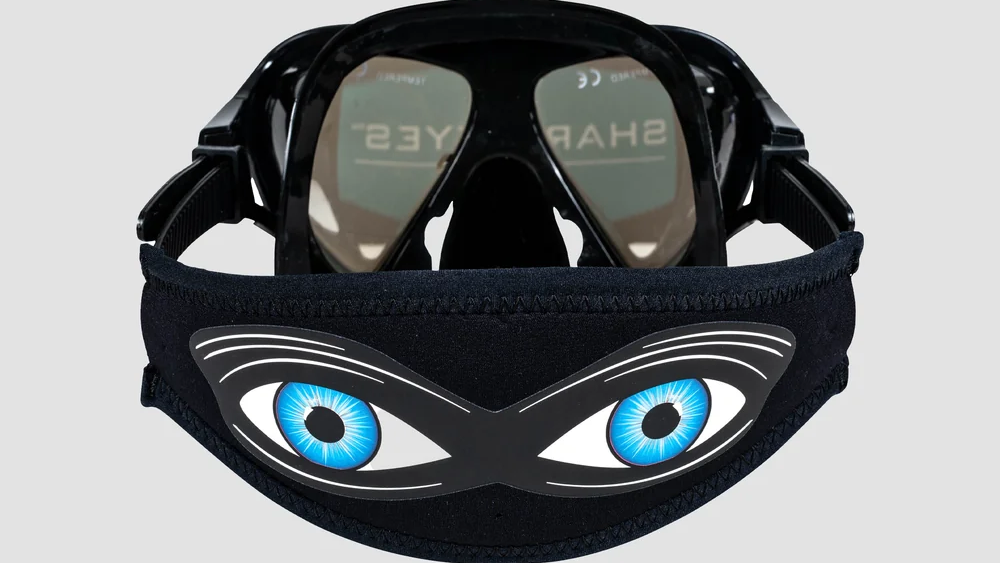
Photo: Shark Eyes
When he decided to get back in the water, Shanan asked himself how he could make it safer. In every interaction he'd had, sharks closed the distance from behind. Like most apex predators, they rely on surprise — and once they've been seen, their behaviour changes. Spearos know this from fish: you can't get close to anything if it looks like you're hunting it.
So he started siliconing big eyes onto the back of his dive suits. Heather found him doing it in the shed and asked whether anyone else knew about this.
His sister, a PhD marine scientist, helped him look into the science. Eye spots are a defence mechanism that turns up all over nature. The study that convinced him came from Professor Neil Jordan in Botswana, where farmers were shooting lions to protect their cattle.
As Shanan recalled it on the podcast (he flags his numbers may be slightly out): a four-year study, 14 herds, around 280 cattle. A third were left unmarked, a third had crosses painted on their rumps, and a third had eyes. Around 14 unmarked cattle were killed by lions and six to eight of those with crosses. None of the cattle with eyes were killed.
The “eye-cow” study, Botswana
Four years · 14 herds · around 280 cattle. Cows killed by lions, by how their rumps were painted.
Figures as Shanan recalled them on the podcast. He flags his numbers could be slightly out.
"You jump in your car, you put on your seat belt"
Shanan is clear that Shark Eyes isn't bulletproof. Someone wearing them will get bitten one day, he says, and he expects to cop a lot of flak when it happens. His comparison is a seat belt: you might still crash, but it adds a layer. For divers, eyes on the back can buy a few seconds by pushing a shark round into your field of view.
He also argues the solution has to be personal. Show a map of where bites have happened in Australia and it's dotted everywhere — you can't police the whole ocean. His priorities are education, good spearfishing and surf practice, knowing how to handle yourself in an encounter, and personal deterrents.
The shark deterrent side is now maybe 20% of Shark Eyes. The rest is wetsuits, dive gear and apparel, which fund the deterrent work. A documentary on the eye-spot testing is in production, with no release date yet.
His take on the rest of it
Drones
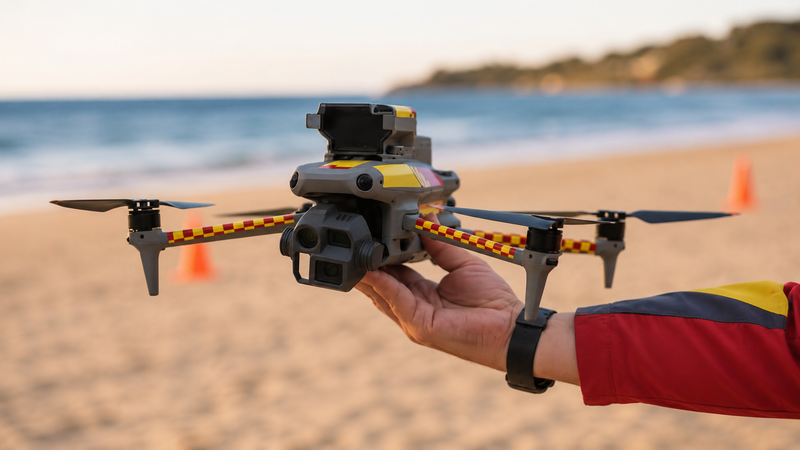
Good in populated areas like Sydney, where a sighting can clear a beach fast. Less useful in WA and SA, where people are spread too thin. He expects alerts to make people complacent once they realise how many sharks are around — and thinks that might not be a bad thing.
Drum lines
WA has none now. It ran a lethal program under the Barnett government, and later a $6.5 million trial that, in his words, caught basically nothing.
Tagging
He worries that catching and tagging whites disturbs them, and that big tags may affect animals that hunt by stealth. In his Esperance example, a dozen were tagged in a few days at an island where they congregate, and a week later a tourist was bitten. He's clear he isn't claiming one caused the other. Rob Harcourt made the opposite case in part four: tagged sharks tend to move away from beaches.
Numbers
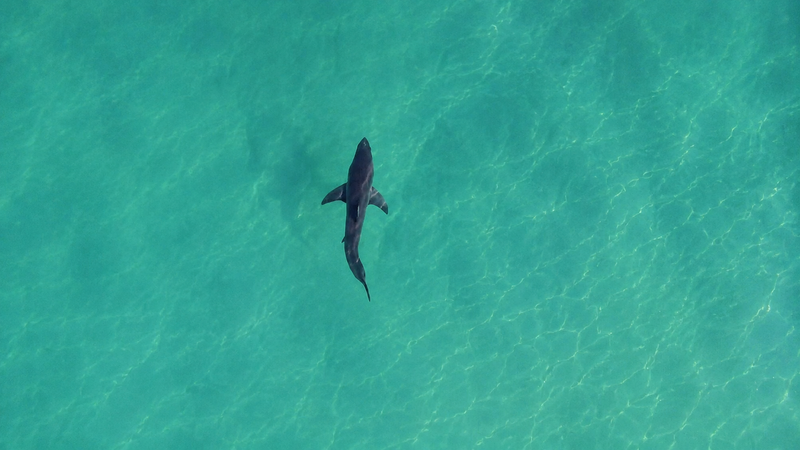
He believes there are more whites than there used to be and that they're turning up in more places. After 25 to 30 years of protection, he sees that as the plan working, and possibly a return to where stocks were before we started hunting them.
If you take one thing from it
Don’t live in fear. Get educated, get prepared, and go enjoy the ocean.
"Don't live in fear," Shanan says. "Get prepared. Educate yourself as much as you can and get the right gear. Hang out with good crew, and go and enjoy the ocean."
Listen to the full episode
Find Shanan's gear at sharkeyesglobal.com.
The shark series so far
Episode 1
The coming “super El Niño”
Episode 2
45mm of rain = shark attack risk?
Episode 3
Inside NSW’s $120m shark drone program
Episode 4
Are there more sharks in Sydney?
Catch every episode under the Podcast filter in From the Lineup.